Bernese Mountain Dog Training From Day One
Bernese Mountain Dogs are good-natured, sensitive and large, so early manners matter. Start with calm, reward-based training that suits the breed, and build habits that last through every stage.
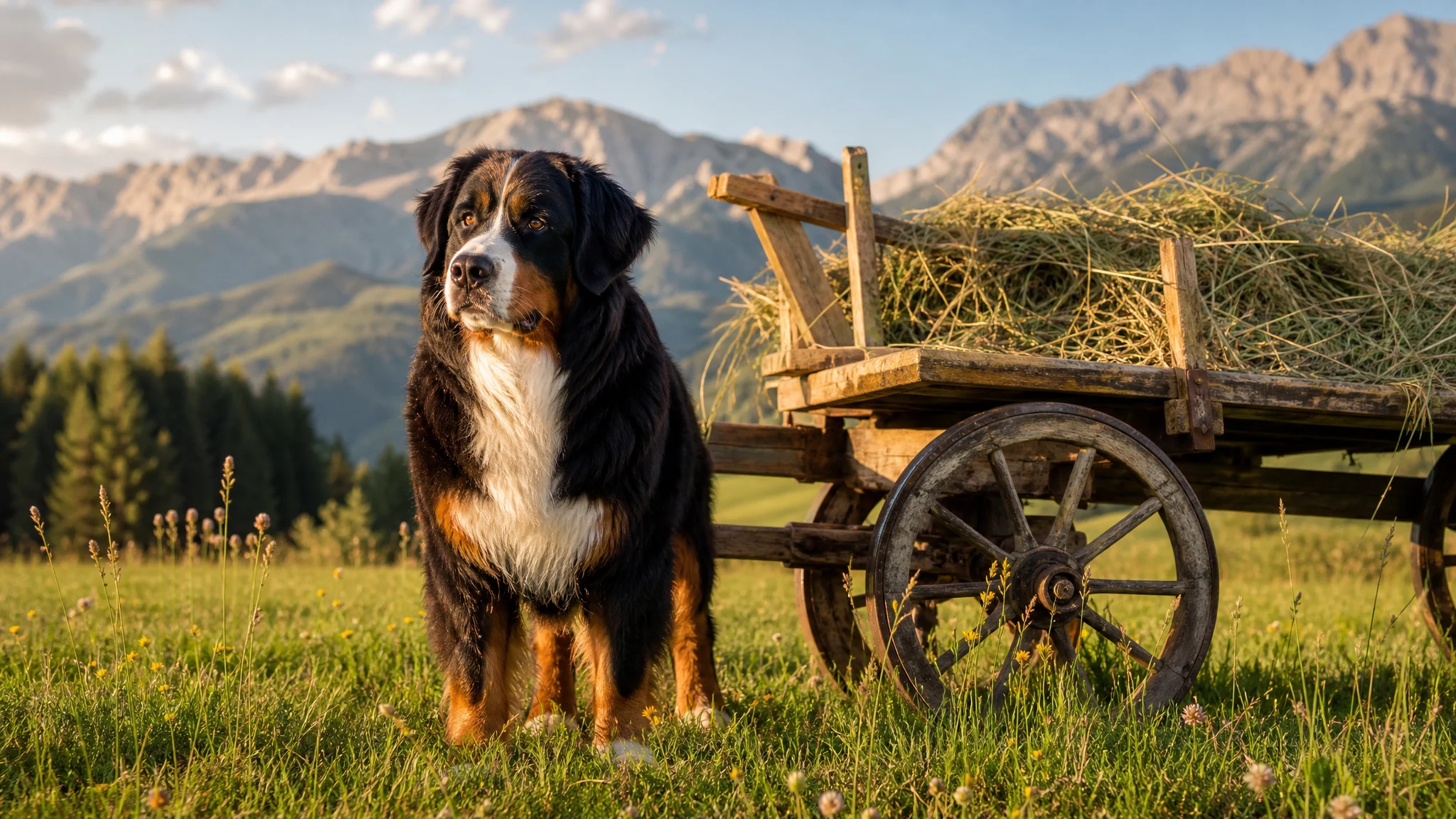
Bernese Training Guides
Practical guides for raising a gentle, sensitive giant, from first-week manners to exercise, socialization and everyday behavior.
Puppy
From the first night home to adolescence: a Bernese Mountain Dog puppy's training.
Training basics
Potty, crate and leash training, written for Bernese Mountain Dogs.
- Are Bernese Mountain Dogs Easy to Train? Temperament and Trainability FAQ
- Leash Training a Bernese Mountain Dog: Pulling, Lunging and Loose-Leash Walking
- Crate Training a Bernese Mountain Dog and Preventing Separation Anxiety
- How to Potty Train a Bernese Mountain Dog Puppy
- Bernese Mountain Dog Training: The Complete Guide for Owners
Behavior
The Bernese Mountain Dog problems owners ask about most, and the instincts behind them.
Exercise and jobs
How much a Bernese Mountain Dog needs to do, and the sports and work the breed was made for.
The Bernese Mountain Dog at a glance
From the AKC breed page and the national breed club, as they state it.
| AKC group | Working Group (secondary source only) source |
| Origin | Bern canton, Swiss Alps, Switzerland source |
| Bred for | Working farm dog in the Swiss Alps: herding livestock, guarding property and hauling carts source |
| Height | Dogs 25 to 27.5 inches, bitches 23 to 26 inches at the withers source |
| Weight | 70 to 115 pounds (males are heavier) source |
| Life expectancy | 7 to 10 years (Hill's). The parent club calls 7 to 8 years too short. source |
| Energy | 3 (Moderate Energy) on Hill's 1 to 5 scale source |
| Barking | 2 (Quiet) on Hill's scale source |
| With children | Patient and gentle when well socialized (Hill's wording, not the AKC rating) source |
| Shedding | Sheds year-round and heavily in spring and fall source |
| Temperament | Self-confident, alert and good-natured, never sharp or shy. The standard also allows the dog to stay aloof with strangers. source |
Bernese Training Questions Answered
How big do Bernese Mountain Dogs get?
The Bernese Mountain Dog Club of America's breed standard gives dogs 25 to 27.5 inches and bitches 23 to 26 inches at the withers. Hill's Pet lists weight at 70 to 115 pounds, with males heavier. That is a lot of dog to manage, so teach polite leash manners and greetings early.
What training methods work best for a Bernese?
Hill's Pet describes the breed as sensitive, so harsh corrections or loud voices can make a dog shut down. Gentle, positive methods fit, which is also the approach the American Veterinary Society of Animal Behavior supports. Use treats, praise and short sessions. Individual dogs vary.
How much exercise does a Bernese need?
Hill's Pet rates the breed at moderate energy, a 3 on its 1 to 5 scale, and suggests one to two daily walks or hikes with light play or enrichment. Hill's also notes heat sensitivity, so choose cooler hours in summer. Ask your veterinarian how much activity suits your dog's age and joints.
Do Bernese Mountain Dogs need socialization?
The Bernese Mountain Dog Club of America's breed standard describes a self-confident, alert, good-natured dog, never sharp or shy, but allows it to stay aloof with strangers. Hill's says the breed is patient and gentle with children when well socialized. Plan calm, positive meetings with new people and places. Never force a nervous dog forward.
What health screening should I ask about?
The Bernese Mountain Dog Club of America's recommended testing page lists hips, elbows, eyes, heart and degenerative myelopathy, plus one optional test. Ask any breeder for results. Hill's gives a lifespan of 7 to 10 years, while the club calls 7 to 8 years too short. Take health questions to your veterinarian.
What Bernese Mountain Dogs do
Sports and work the breed is known for. source
Bernese Mountain Dog health screening
Tests the breed's club and OFA recommend for breeding dogs. Ask a breeder for results.
| Recommended screens | Hips | Elbows | Eyes | Heart | Degenerative Myelopathy (DM) | One optional test: von Willebrand Disease (vWD), Thyroid, or Histiocytic Sarcoma Risk Test | CHIC also lists an AKC DNA profile (per the BMDCA footnote) source |
| National breed club | Bernese Mountain Dog Club of America, Inc. (BMDCA), https://www.bmdca.org source |
General training information. Every dog is an individual; for health or behavior concerns, see your veterinarian.